Represents national identity with a sky-blue field, golden sun, soaring steppe eagle, and traditional ornamental pattern symbolizing freedom, unity, and peace.
Coat of Arms of Kazakhstan
Features the shanyrak (yurt crown) and winged horses, symbolizing family, heritage, strength, and the unity of the nation.
Astana Skyline
Modern capital cityscape representing independence, innovation, and Kazakhstan’s future-oriented development.
Bayterek Tower
Iconic monument symbolizing rebirth, prosperity, and the legend of the Tree of Life.
Almaty
Cultural and economic center symbolizing history, education, and urban life at the foothills of the Tian Shan mountains.
Tian Shan Mountains
Majestic mountain range representing natural beauty, adventure, and ecological diversity.
Kazakh Steppe
Vast open grasslands symbolizing nomadic heritage, freedom, and traditional lifestyle.
Charyn Canyon
Dramatic canyon landscape symbolizing geological wonder and natural heritage.
Khan Shatyr
Architectural landmark symbolizing modern design, climate adaptation, and urban leisure.
Mausoleum of Khoja Ahmed Yasawi
UNESCO World Heritage site representing Islamic culture, spirituality, and medieval architecture.
Turkestan
Historic city symbolizing religious significance, trade routes, and cultural continuity.
Baikonur Cosmodrome
World’s first space launch facility symbolizing scientific achievement and space exploration.
Kazakh Yurt
Traditional portable dwelling symbolizing nomadic life, hospitality, and harmony with nature.
Shanyrak
Crown of the yurt symbolizing family, continuity, and the connection between generations.
Dombra
Traditional string instrument representing music, storytelling, and cultural expression.
Kazakh Eagle (Berkut)
Symbol of strength, freedom, and the ancient tradition of eagle hunting.
Beshbarmak
Traditional national dish symbolizing hospitality, respect, and shared family meals.
Kumis
Fermented mare’s milk representing nomadic traditions and ancestral cuisine.
Golden Man (Issyk Kurgan)
Archaeological treasure symbolizing ancient history, statehood, and cultural pride.
Kazakh Ornament Patterns
Traditional decorative motifs symbolizing nature, protection, and cultural identity.
Represents national identity with red and white stripes, a blue canton, and a crescent with a 14-point star symbolizing unity, Islam, and the federation of states.
Coat of Arms of Malaysia
Features tigers, a shield, and national symbols representing strength, sovereignty, and unity of the Malaysian states.
Kuala Lumpur Skyline
Capital cityscape symbolizing economic growth, modernity, and urban development.
Petronas Twin Towers
Iconic skyscrapers symbolizing national pride, architectural achievement, and modern Malaysia.
Batu Caves
Hindu sacred site symbolizing religious devotion, cultural heritage, and tourism.
Malacca Historic City
UNESCO World Heritage site symbolizing colonial history, trade, and multicultural heritage.
George Town, Penang
UNESCO-listed city symbolizing colonial architecture, cultural diversity, and artistic heritage.
Mount Kinabalu
Tallest peak in Malaysia symbolizing natural beauty, biodiversity, and adventure tourism.
Langkawi Islands
Tropical islands symbolizing beaches, ecotourism, and natural wonder.
Orangutan Conservation
Wildlife protection symbolizing environmental conservation and biodiversity.
Malaysian Batik
Traditional textile art symbolizing cultural craftsmanship, color, and regional identity.
Nasi Lemak
National dish symbolizing culinary heritage, everyday life, and cultural pride.
Roti Canai
Popular flatbread symbolizing cultural diversity and street food tradition.
Malay Traditional Attire
Clothing such as Baju Melayu and Baju Kurung symbolizing cultural identity and heritage.
Chinese and Indian Festivals
Cultural celebrations symbolizing multiculturalism, unity, and religious traditions.
Islamic Architecture
Mosques such as the National Mosque symbolizing faith, artistry, and national identity.
Rainforests of Borneo
Lush landscapes symbolizing biodiversity, ecological importance, and natural heritage.
Penang Street Art
Urban art symbolizing creativity, cultural expression, and tourism appeal.
Malaysian Traditional Music and Dance
Art forms symbolizing folklore, storytelling, and cultural identity.
Taman Negara National Park
Ancient rainforest symbolizing conservation, biodiversity, and adventure tourism.
Symbolism played a significant role in Renaissance art, conveying deeper meanings and messages beyond what was depicted on the surface. Artists during this period utilized symbols to communicate allegorical, spiritual, political, and social themes in their artworks. The incorporation of symbolism allowed viewers to interpret and appreciate the artwork on multiple levels, encouraging contemplation and reflection.
Symbolism is a literary device that adds depth and layers of meaning to a work of literature. In modern novels, authors often use symbolism to enhance their storytelling and convey complex themes and ideas to the readers. Symbolism can take many forms in literature, whether through recurring motifs, objects, colors, or even characters that represent deeper meanings beyond their literal interpretation.
Symbolism plays a significant role in literature, adding depth to the characters, themes, and plots. When it comes to Shakespeare, the use of symbolism is prominent in many of his plays, serving as a powerful literary device that enriches the audience's understanding and experience. In this blog post, we will explore some of the key symbols found in Shakespeare's works and how they contribute to the overall meaning and impact of his plays.
Alchemy, rooted in both science and mysticism, is an ancient practice that seeks to transform base substances into valuable assets, such as gold or the elixir of life. Alchemical symbols play a crucial role in this esoteric art, serving as visual representations of the various substances, elements, and processes involved in alchemical experiments.
Alchemy is an ancient practice that involves the transformation of matter, both physically and spiritually. One of the key components of alchemy is the use of symbols to represent various elements and concepts. In alchemical symbols, each element is assigned a unique glyph that conveys its properties and characteristics. These symbols have been used for centuries to communicate the principles of alchemy and to encode the knowledge of the alchemists.
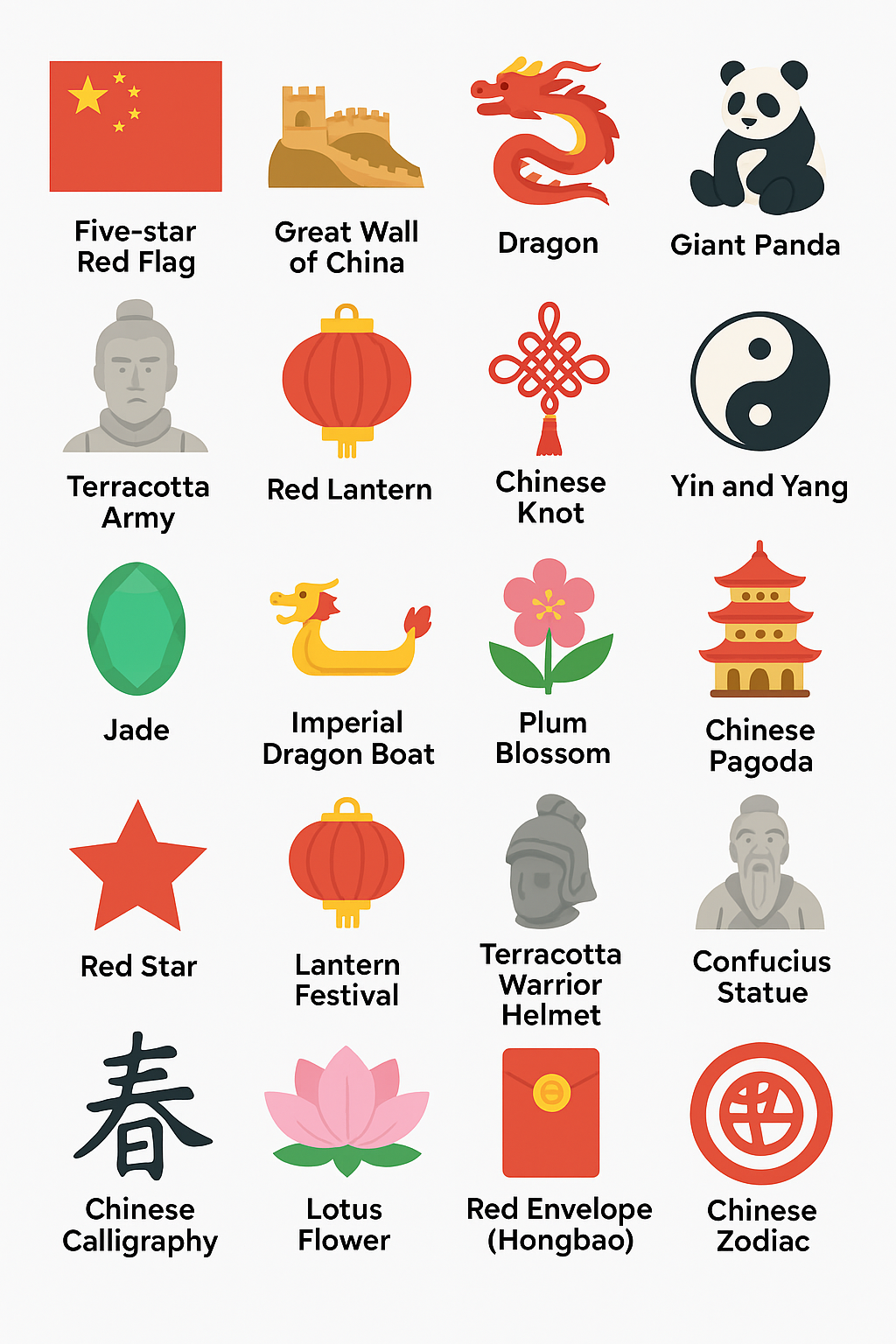
The Chinese Zodiac is a system of astrology that assigns an animal symbol to each year in a repeating 12-year cycle. Each animal is believed to have specific characteristics and traits, influencing the personalities of individuals born under that sign. The Chinese Zodiac symbols are deeply rooted in Chinese culture and continue to play a significant role in daily life.
Have you ever wondered what your Western zodiac symbol says about your personality traits and characteristics? The Western zodiac consists of 12 different symbols, each representing a different period of the year and certain personality traits associated with people born under that sign. Let's explore the Western zodiac symbols and what they reveal about those born under each sign:
Totem animals hold significant meanings in Native American cultures, serving as spiritual guides and symbols of various traits or qualities. These animal symbols are believed to offer protection, guidance, and wisdom to individuals and communities. Let's explore some common totem animals and their associated meanings in Native American traditions.