Represents national identity with a sky-blue field, golden sun, soaring steppe eagle, and traditional ornamental pattern symbolizing freedom, unity, and peace.
Coat of Arms of Kazakhstan
Features the shanyrak (yurt crown) and winged horses, symbolizing family, heritage, strength, and the unity of the nation.
Astana Skyline
Modern capital cityscape representing independence, innovation, and Kazakhstan’s future-oriented development.
Bayterek Tower
Iconic monument symbolizing rebirth, prosperity, and the legend of the Tree of Life.
Almaty
Cultural and economic center symbolizing history, education, and urban life at the foothills of the Tian Shan mountains.
Tian Shan Mountains
Majestic mountain range representing natural beauty, adventure, and ecological diversity.
Kazakh Steppe
Vast open grasslands symbolizing nomadic heritage, freedom, and traditional lifestyle.
Charyn Canyon
Dramatic canyon landscape symbolizing geological wonder and natural heritage.
Khan Shatyr
Architectural landmark symbolizing modern design, climate adaptation, and urban leisure.
Mausoleum of Khoja Ahmed Yasawi
UNESCO World Heritage site representing Islamic culture, spirituality, and medieval architecture.
Turkestan
Historic city symbolizing religious significance, trade routes, and cultural continuity.
Baikonur Cosmodrome
World’s first space launch facility symbolizing scientific achievement and space exploration.
Kazakh Yurt
Traditional portable dwelling symbolizing nomadic life, hospitality, and harmony with nature.
Shanyrak
Crown of the yurt symbolizing family, continuity, and the connection between generations.
Dombra
Traditional string instrument representing music, storytelling, and cultural expression.
Kazakh Eagle (Berkut)
Symbol of strength, freedom, and the ancient tradition of eagle hunting.
Beshbarmak
Traditional national dish symbolizing hospitality, respect, and shared family meals.
Kumis
Fermented mare’s milk representing nomadic traditions and ancestral cuisine.
Golden Man (Issyk Kurgan)
Archaeological treasure symbolizing ancient history, statehood, and cultural pride.
Kazakh Ornament Patterns
Traditional decorative motifs symbolizing nature, protection, and cultural identity.
Represents national identity with red and white stripes, a blue canton, and a crescent with a 14-point star symbolizing unity, Islam, and the federation of states.
Coat of Arms of Malaysia
Features tigers, a shield, and national symbols representing strength, sovereignty, and unity of the Malaysian states.
Kuala Lumpur Skyline
Capital cityscape symbolizing economic growth, modernity, and urban development.
Petronas Twin Towers
Iconic skyscrapers symbolizing national pride, architectural achievement, and modern Malaysia.
Batu Caves
Hindu sacred site symbolizing religious devotion, cultural heritage, and tourism.
Malacca Historic City
UNESCO World Heritage site symbolizing colonial history, trade, and multicultural heritage.
George Town, Penang
UNESCO-listed city symbolizing colonial architecture, cultural diversity, and artistic heritage.
Mount Kinabalu
Tallest peak in Malaysia symbolizing natural beauty, biodiversity, and adventure tourism.
Langkawi Islands
Tropical islands symbolizing beaches, ecotourism, and natural wonder.
Orangutan Conservation
Wildlife protection symbolizing environmental conservation and biodiversity.
Malaysian Batik
Traditional textile art symbolizing cultural craftsmanship, color, and regional identity.
Nasi Lemak
National dish symbolizing culinary heritage, everyday life, and cultural pride.
Roti Canai
Popular flatbread symbolizing cultural diversity and street food tradition.
Malay Traditional Attire
Clothing such as Baju Melayu and Baju Kurung symbolizing cultural identity and heritage.
Chinese and Indian Festivals
Cultural celebrations symbolizing multiculturalism, unity, and religious traditions.
Islamic Architecture
Mosques such as the National Mosque symbolizing faith, artistry, and national identity.
Rainforests of Borneo
Lush landscapes symbolizing biodiversity, ecological importance, and natural heritage.
Penang Street Art
Urban art symbolizing creativity, cultural expression, and tourism appeal.
Malaysian Traditional Music and Dance
Art forms symbolizing folklore, storytelling, and cultural identity.
Taman Negara National Park
Ancient rainforest symbolizing conservation, biodiversity, and adventure tourism.
The guitar is not just a musical instrument; it's also a symbol of cultural heritage and identity for many indigenous tribes and communities around the world. From the Cherokee people in North America to the Maori in New Zealand, the guitar has been integrated into their traditional music and storytelling for generations.
Guangzhou, a vibrant city in southern China, is rich in history and culture. Symbolism plays a significant role in shaping the culture of Guangzhou, representing its identity and heritage. Let's explore some of the key symbols in Guangzhou's culture:
Guangzhou is a vibrant city with a rich cultural heritage and history. As the capital of Guangdong Province in southern China, it is home to a diverse population that includes people from various backgrounds and ethnicities. The city is known for its unique native symbols that reflect its identity and traditions.
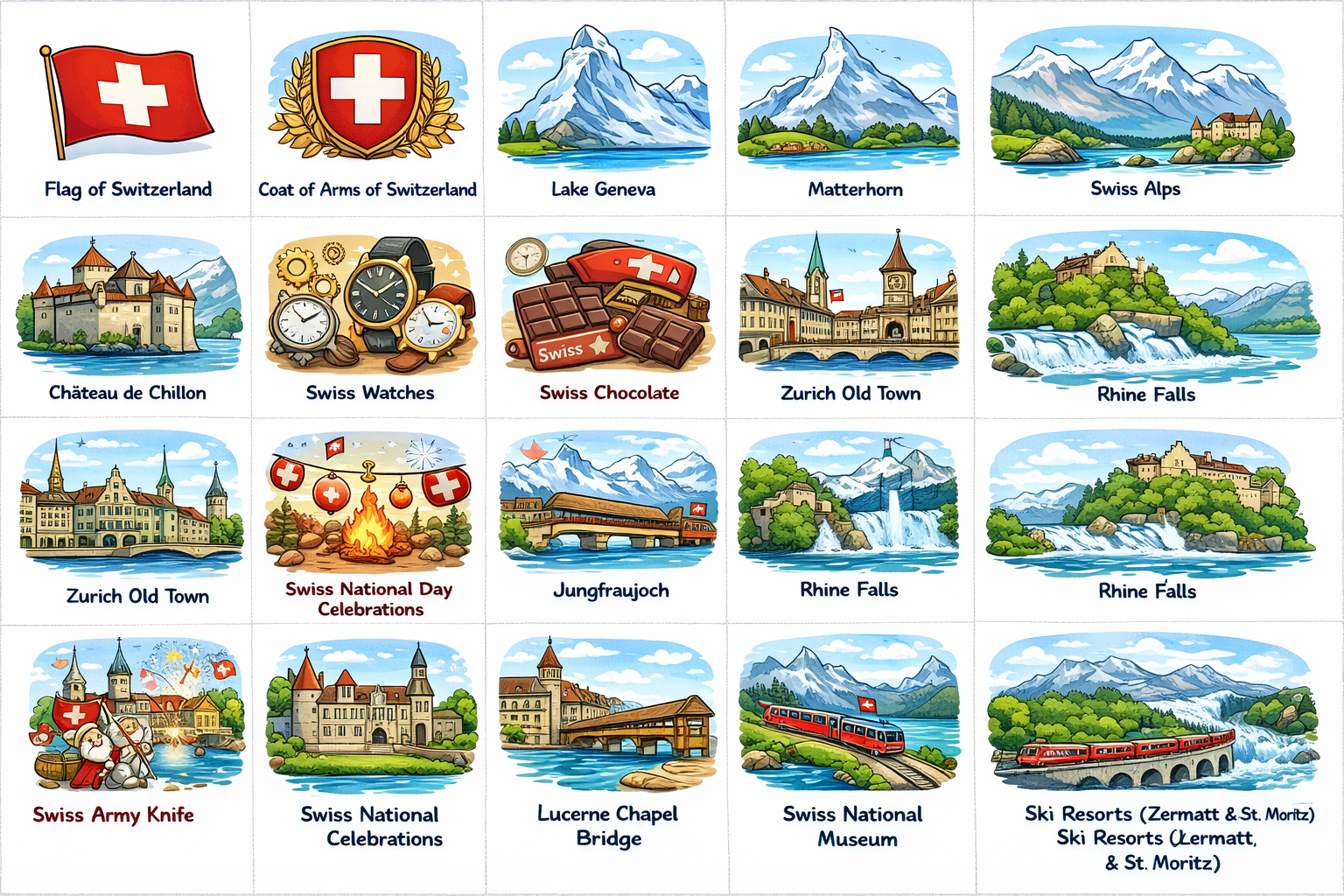
Geneva, Switzerland is a city rich in culture and history, with a variety of native symbols that hold special significance to its residents. These symbols reflect the unique identity and heritage of the city, making them important elements of its cultural landscape.
Turkey, a country rich in history and culture, holds a significant place in the world as a bridge between Europe and Asia. As we look towards the future of Turkey, it is essential to consider the symbolism embedded in its culture that shapes the nation's identity.
The future of Turkey's native symbols is a topic that sparks both fascination and concern. Turkey is a country rich in history and culture, with a wealth of native symbols that hold deep significance for its people. These symbols, whether they be ancient artifacts, architectural wonders, or traditional motifs, play a vital role in shaping the country's identity and heritage.
Frankfurt, Germany is a city rich in history, culture, and symbolism. From its iconic skyline dominated by the Frankfurt Cathedral and skyscrapers to its vibrant arts scene and culinary delights, Frankfurt is a city that holds deep symbolic meanings within its cultural fabric.